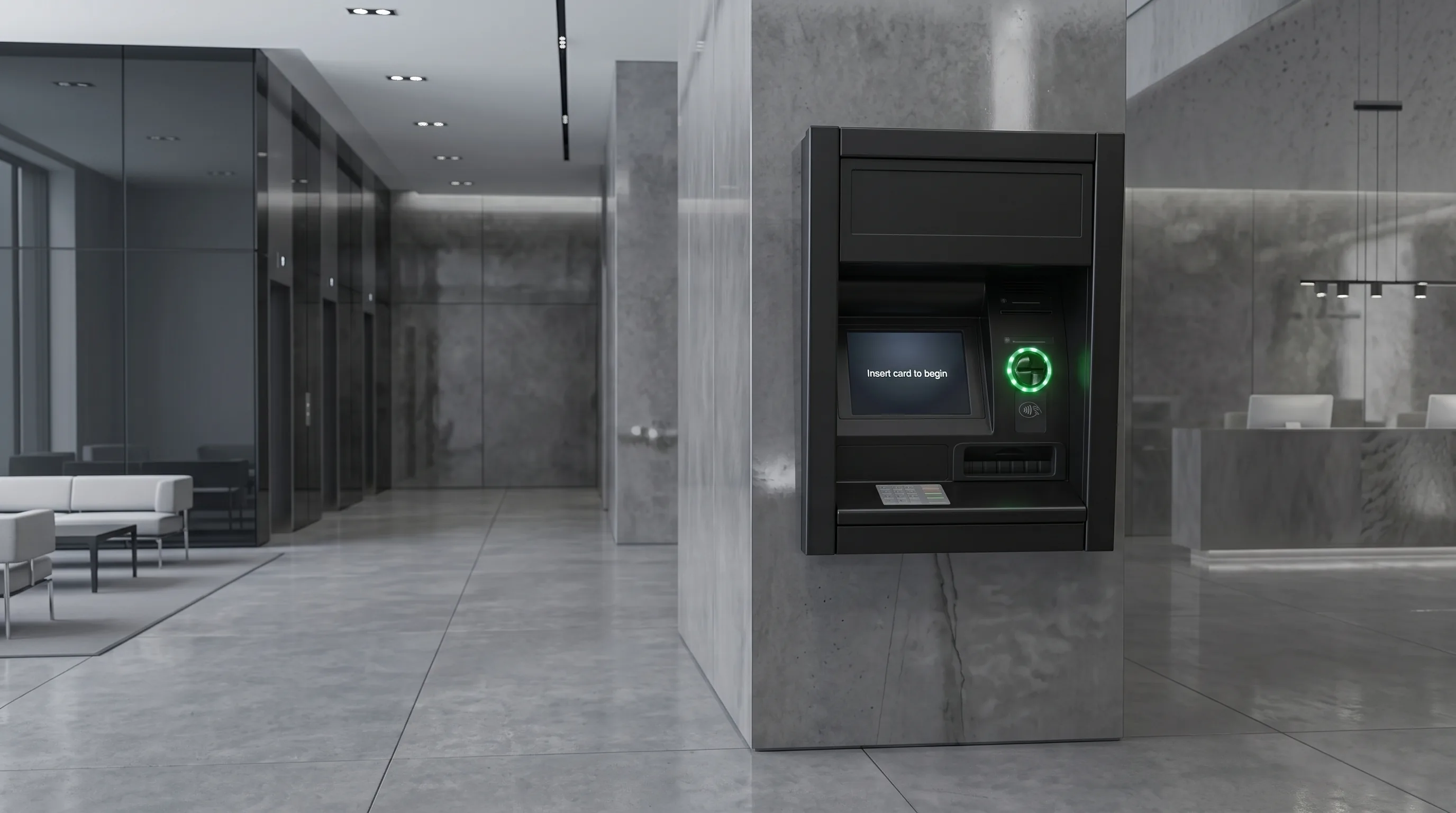
It fails without a mouse
Keyboard users can't reach or operate parts of the product, and focus disappears mid-journey.
Accessibility
Accessibility isn't a compliance checkbox. It's whether real people can use what you've built. I find the barriers, fix the ones that matter most, and leave the product better for every user.
Digital accessibility means people can use your product regardless of how they see, hear, move or process information. That covers permanent disabilities, temporary ones like a broken wrist or a lost pair of glasses, and situational limits like bright sunlight or a noisy train.
WCAG is the standard most organisations measure against, and meeting it matters, legally and practically. But compliance is a floor, not the goal. A product can pass an automated audit and still be miserable to use with a screen reader.
The useful mindset is that accessibility work is usability work. Clearer structure, better labels, stronger contrast and full keyboard support improve the product for everybody, not just the users who depend on them.
Sound familiar?
Most of these stay invisible to the teams who built the product.
Keyboard users can't reach or operate parts of the product, and focus disappears mid-journey.
Tools catch only a fraction of real issues. The rest surface as complaints and abandoned journeys.
Missing labels, unclear errors and rigid inputs turn routine tasks into blockers for assistive technology.
Accessibility appears at the end of delivery, when changes are expensive and end up half-done.
Standards plus real testing, with fixes ranked by user impact, not audit order.
Review against WCAG and with real assistive technology, because each catches what the other misses.
Rank issues by how badly they block real tasks, not by where they sit in a checklist.
Make practical changes with the team, usually without redesigning everything.
Leave accessible patterns, components and habits behind so the product stays that way as it changes.
Case studies
Improving accessibility and completion in a high-trust identity verification service.
Read the case studyBuilding accessibility into a national platform serving the widest possible audience.
Read the case studyImproving accessibility in banking journeys without a full rebuild.
Read the case studyThe accessibility engagements turn this into scoped work: reviews and roadmaps with prioritised findings your team can deliver against.
Go deeper
Digital accessibility is the practice of designing and building websites, applications and digital services that can be used by as many people as possible, including people with permanent, temporary and situational impairments. Good accessibility removes barriers, making it easier for everyone to access information, complete tasks and interact with digital products regardless of how they browse, navigate or communicate.
Accessibility helps ensure digital products can be used by a wider range of people. It improves usability, reduces frustration and makes services more inclusive for everyone, not just people with disabilities. Many accessibility improvements, such as clearer content, better navigation and improved forms, create a better experience for all users while helping organisations meet legal and regulatory obligations.
No. WCAG provides an important framework for improving accessibility, but meeting technical requirements doesn’t always guarantee a good user experience. True accessibility considers usability, content, navigation, interaction design and the needs of real people. Compliance is important, but it should be viewed as a foundation rather than the final objective.
Accessibility should be considered from the beginning of every project. Designing with accessibility in mind early is significantly easier and more cost-effective than trying to retrofit improvements after a product has launched. However, it’s never too late to improve an existing product, and many organisations begin by reviewing what they already have.
Absolutely. Many accessibility improvements benefit everyone. Clearer navigation, better contrast, larger touch targets, simpler language and more predictable interactions all make digital products easier to use, regardless of someone’s abilities or the device they’re using. Good accessibility and good usability naturally support one another.
No. Automated tools are useful for identifying technical problems, but they only detect a proportion of potential accessibility issues. Many of the most important barriers involve usability, interaction design, content and real user behaviour. That’s why expert review and, where appropriate, testing with real users remain essential parts of improving accessibility.
Yes. Many accessibility improvements can be made without rebuilding an entire product. Changes to navigation, forms, content, interaction patterns and interface components can often remove significant barriers while preserving the existing design and functionality.
No. Everyone benefits from accessible design at different times. People using mobile devices in bright sunlight, someone recovering from an injury, users with slow internet connections or anyone trying to complete a task quickly all benefit from clearer, simpler and more accessible digital experiences. That’s why accessibility should be viewed as good design rather than a specialist requirement.
There are times when an agency is the right choice, particularly if you need a large multidisciplinary team working across multiple workstreams. If you’re looking for senior expertise, an independent consultant offers a different way of working. You’ll work directly with the person delivering the engagement from start to finish, without account managers, handovers or layers of communication. Decisions are made faster, the work stays consistent and you benefit from experienced advice that’s focused on solving your problem rather than managing a project. For many organisations, it’s a simpler, more flexible and more cost-effective way to access senior product, UX and user research expertise.
I’m based in Manchester, UK and work with organisations across the UK, Europe and internationally. Most engagements are delivered remotely, although I’m always happy to travel when a project benefits from working together in person.
Yes. Most engagements are delivered remotely using Microsoft Teams, Google Meet or Zoom. Working this way keeps projects flexible, efficient and cost-effective while making it easy to support organisations wherever they’re based.
Yes. While most projects are delivered remotely, I’m happy to travel throughout the UK and internationally for workshops, stakeholder sessions, discovery activities and key project milestones where needed.
Absolutely. Most organisations I work with already have product managers, designers, researchers, developers or delivery teams in place. My role is to strengthen your existing capability by providing additional expertise, independent thinking or senior support where it’s needed most.
Yes. I’ve worked with startups, scale-ups, SMEs, agencies, charities, public sector organisations and global enterprises. Every engagement is tailored to your goals, regardless of the size of your organisation.
Yes. Much of my work involves commercially sensitive products, confidential research and government services. I’m happy to sign NDAs and regularly work with organisations where confidentiality is essential.
The fixed-price services are designed around the most common types of engagement, but every organisation is different. If you need something broader or a combination of services, I’ll put together a bespoke proposal based on your goals and the support you need.
Availability changes throughout the year, but many engagements can begin within one to two weeks. If you have a specific deadline or urgent requirement, let me know and I’ll always do my best to accommodate it.
That depends on the engagement, but I always aim to make the best use of your team’s time. Most projects start with a short kick-off session, followed by regular check-ins as findings and recommendations are shared. Before any work begins, you’ll know exactly what’s expected and when.
It starts with a conversation. We’ll discuss what you’re trying to achieve, where you’re experiencing challenges and whether one of the fixed-price services is the right fit. If not, I’ll recommend a more suitable approach based on your goals.
LET'S WORK TOGETHER
UX, research and product leadership for teams tackling complex digital services.
Previous feedback
I had a fantastic experience working with Andy. One of his most impressive achievements during our time at NHS HEE was masterminding a deeply complex information architecture for a new platform that brought together a large number of legacy websites.
Will Parkhouse
Senior Content Designer