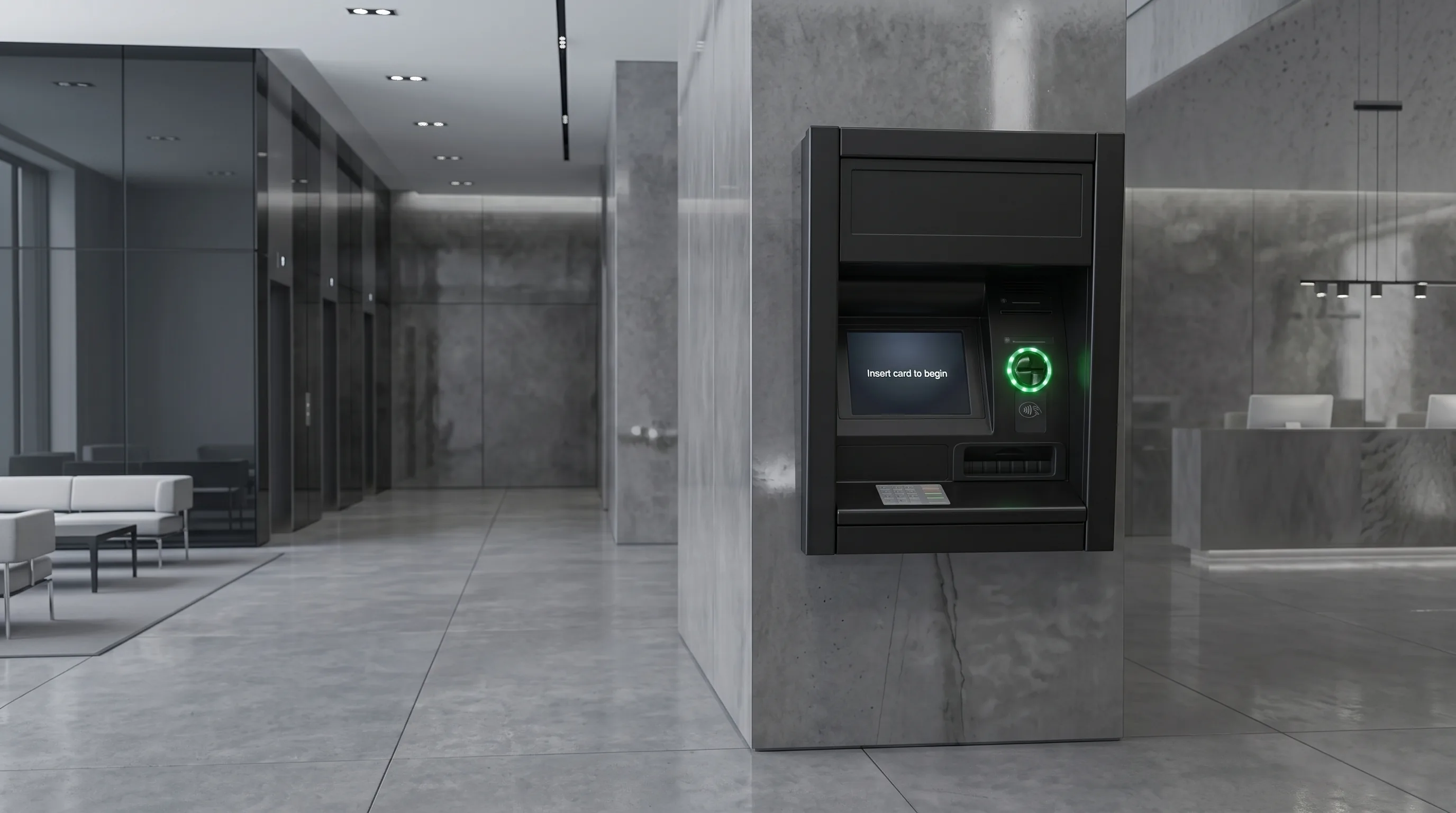
Users repeat themselves at every step
Each team and channel starts from scratch, because nothing carries context across the handoff.
Service Design
Users experience a service as one journey; organisations deliver it as a dozen teams and systems. Service design closes that gap. I've done it in banking, government and national healthcare.
A service designer works on the whole service, not one screen of it: every touchpoint a user crosses, and the teams, processes and systems behind them. The job is making all of it behave as one journey.
The core tool is making the invisible visible. A service blueprint maps what users experience against what happens backstage: who does what, which systems talk to each other, where handoffs break. Most service problems live in those seams, not in any single interface.
It applies well beyond digital. Phone lines, letters, branch visits and back-office processes are part of the same service, and designing the digital part in isolation is how journeys end up broken at the edges.
Sound familiar?
Each team's piece can be fine while the service as a whole isn't.
Each team and channel starts from scratch, because nothing carries context across the handoff.
Each part passes its own tests. The experience of crossing between them is what fails.
Responsibility ends at team boundaries, so end-to-end problems belong to nobody.
Manual workarounds and support staff quietly bridge gaps the service should close itself.
Make the whole service visible first. The fixes usually become obvious.
Blueprint the real end-to-end service: frontstage experience and backstage delivery together.
Find where journeys actually break: usually handoffs, ownership gaps and systems that don't connect.
Fix the connections, across teams and processes as much as screens.
Work with the people who run the service so the changes survive contact with reality.
Case studies
Connecting ownership touchpoints, teams and systems into one coherent experience.
Read the case studyTurning fragmented service delivery into a consistent national model.
Read the case studyImproving service journeys within hard legacy and operational constraints.
Read the case studyThe service design engagements make this concrete: blueprints, reviews and mapping work with defined outputs, scoped before anything is committed.
Go deeper
Service design is the process of improving how people experience a service across every touchpoint. Rather than focusing on a single website or application, service design looks at the complete journey, including the people, processes, policies and technology involved in delivering the service. The goal is to create services that are easier to use, more efficient to deliver and better aligned with the needs of both customers and the organisation.
Most service problems don’t begin with the interface. They happen when different teams, systems and processes fail to work together. Service design helps organisations understand the complete experience, identify where friction exists and improve the way services are delivered. The result is a better experience for customers and a more efficient way of working for the people delivering the service.
UX focuses on improving the experience of using a product or interface. Service design looks beyond the interface to understand the entire service, including what happens before, during and after someone interacts with a digital product. The two disciplines complement one another. UX improves individual interactions, while service design improves the complete end-to-end experience.
Service design is valuable whenever problems extend beyond a single website or application. If customers experience inconsistent journeys, teams work in silos, manual processes create delays or multiple systems are involved, service design helps identify where improvements should happen and how different parts of the organisation can work together more effectively.
A service blueprint is a visual representation of how a service operates. It maps the customer journey alongside the people, processes and technology working behind the scenes, making it easier to understand how the service is delivered and where improvements should be prioritised. Service blueprints are particularly useful when reviewing complex services involving multiple teams or systems.
Absolutely. Many organisations use service design to review existing services before beginning transformation programmes or major redesigns. Understanding how a service works today helps identify unnecessary complexity, operational inefficiencies and opportunities for improvement before significant investment takes place.
No. Service design applies to both digital and non-digital experiences. Whether someone is using a website, contacting a call centre, visiting a physical location or interacting with multiple channels, service design considers the complete experience rather than focusing on one touchpoint in isolation.
The signs are often clear. Customers repeat information, journeys become inconsistent, teams rely on manual workarounds, internal processes become increasingly complex or different departments struggle to work together effectively. Service design helps identify why those problems occur and where improvements will have the greatest impact for both users and the organisation.
There are times when an agency is the right choice, particularly if you need a large multidisciplinary team working across multiple workstreams. If you’re looking for senior expertise, an independent consultant offers a different way of working. You’ll work directly with the person delivering the engagement from start to finish, without account managers, handovers or layers of communication. Decisions are made faster, the work stays consistent and you benefit from experienced advice that’s focused on solving your problem rather than managing a project. For many organisations, it’s a simpler, more flexible and more cost-effective way to access senior product, UX and user research expertise.
I’m based in Manchester, UK and work with organisations across the UK, Europe and internationally. Most engagements are delivered remotely, although I’m always happy to travel when a project benefits from working together in person.
Yes. Most engagements are delivered remotely using Microsoft Teams, Google Meet or Zoom. Working this way keeps projects flexible, efficient and cost-effective while making it easy to support organisations wherever they’re based.
Yes. While most projects are delivered remotely, I’m happy to travel throughout the UK and internationally for workshops, stakeholder sessions, discovery activities and key project milestones where needed.
Absolutely. Most organisations I work with already have product managers, designers, researchers, developers or delivery teams in place. My role is to strengthen your existing capability by providing additional expertise, independent thinking or senior support where it’s needed most.
Yes. I’ve worked with startups, scale-ups, SMEs, agencies, charities, public sector organisations and global enterprises. Every engagement is tailored to your goals, regardless of the size of your organisation.
Yes. Much of my work involves commercially sensitive products, confidential research and government services. I’m happy to sign NDAs and regularly work with organisations where confidentiality is essential.
The fixed-price services are designed around the most common types of engagement, but every organisation is different. If you need something broader or a combination of services, I’ll put together a bespoke proposal based on your goals and the support you need.
Availability changes throughout the year, but many engagements can begin within one to two weeks. If you have a specific deadline or urgent requirement, let me know and I’ll always do my best to accommodate it.
That depends on the engagement, but I always aim to make the best use of your team’s time. Most projects start with a short kick-off session, followed by regular check-ins as findings and recommendations are shared. Before any work begins, you’ll know exactly what’s expected and when.
It starts with a conversation. We’ll discuss what you’re trying to achieve, where you’re experiencing challenges and whether one of the fixed-price services is the right fit. If not, I’ll recommend a more suitable approach based on your goals.
LET'S WORK TOGETHER
UX, research and product leadership for teams tackling complex digital services.
Previous feedback
I had a fantastic experience working with Andy. One of his most impressive achievements during our time at NHS HEE was masterminding a deeply complex information architecture for a new platform that brought together a large number of legacy websites.
Will Parkhouse
Senior Content Designer