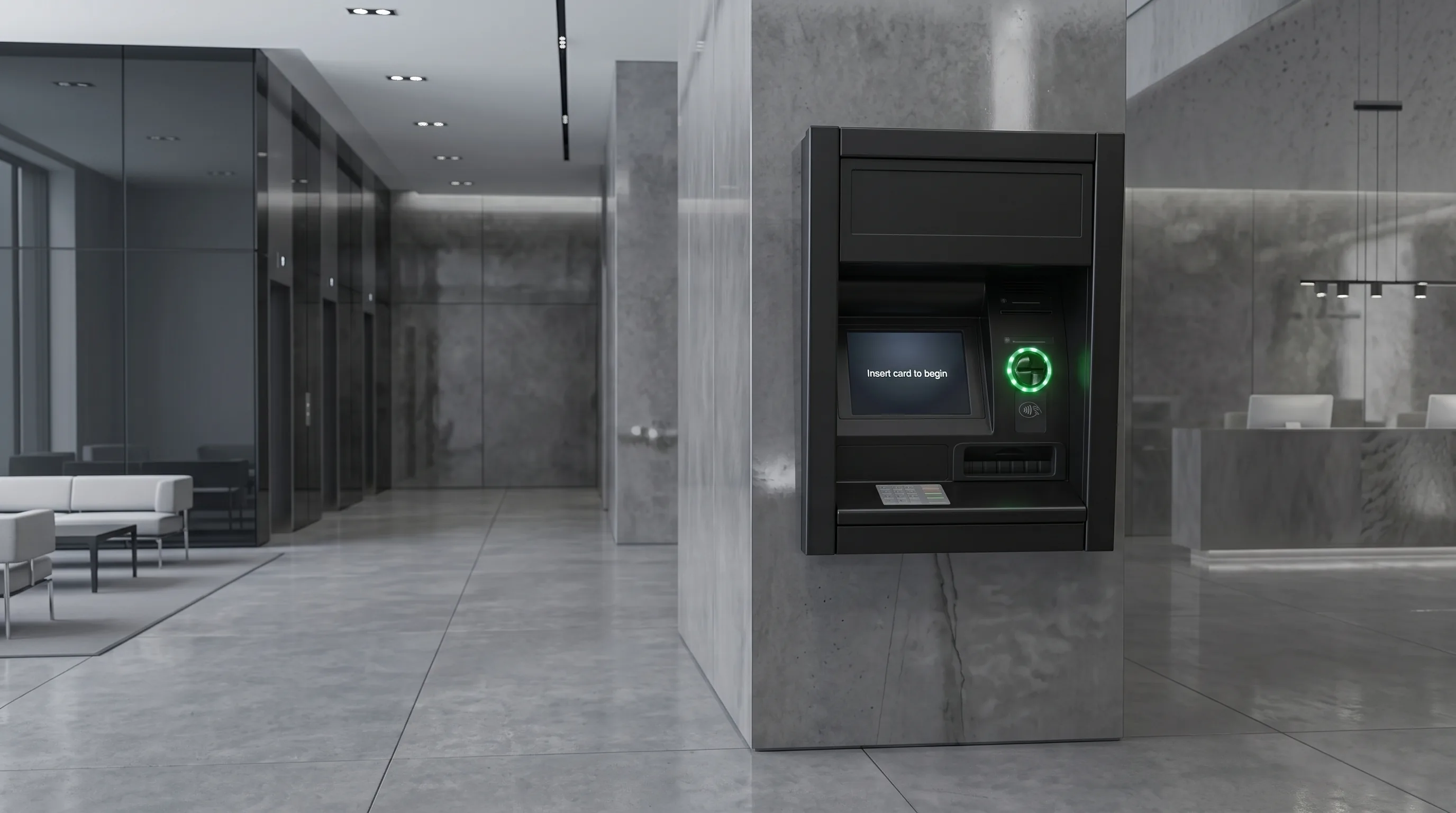
Processes have become inefficient
Work has gradually become more complicated.
Independent review of your operational processes to identify inefficiencies, simplify workflows and reduce operational complexity before investing in automation or technology.
Fixed Price
£3,995 + VATor PAYG
Need something different? Larger operational programmes are usually better suited to a bespoke engagement.
How do I know if my project is the right fit? ↓Technology rarely fixes inefficient processes. It usually accelerates them.
A Process Optimisation Review helps organisations improve the way work flows before introducing new systems or automation.
Rather than starting with technology, the engagement identifies unnecessary complexity, duplicated effort and operational bottlenecks that reduce efficiency.
You’ll leave with practical recommendations that improve performance while reducing operational effort.
Work has gradually become more complicated.
Operational effort continues to increase.
Underlying process problems still exist.
Optimise the process before investing in technology.
Technology rarely fixes inefficient processes. It usually accelerates them.
The best operational improvements begin by simplifying work before introducing new tools or systems.
I combine service design, operational thinking and product strategy to identify where meaningful optimisation should happen first.
You’ll leave with practical improvements that create lasting operational value.
Identify where efficiency can improve.
Optimise before automating.
Reduce unnecessary operational effort.
Improve the process before investing in technology.
A focused discussion to understand the process, teams, systems and improvement goals.
Independent review of one operational process or workflow.
Assessment of complexity, duplicated effort, bottlenecks, workarounds and optimisation opportunities.
Clear recommendations explaining how the process can be simplified and improved.
A collaborative walkthrough of findings and recommended process improvements.
A concise document supporting operational improvement, automation planning or transformation decisions.
A structured review of process issues, inefficiencies and recommendations.
Summary of complexity, bottlenecks, duplicated effort and optimisation opportunities.
Practical recommendations explaining how the process can be simplified before further investment.
Next steps ready for operational improvement, automation planning or transformation.
Week 1
Kick-off, workflow review and process analysis.
Week 2
Playback, recommendations and next steps.
Every Process Optimisation Review focuses on one operational process or workflow. Typical examples include: • Internal approvals. • Customer support. • Service delivery. • Operational workflows. • Cross-team processes. Larger or more complex operational environments are usually better suited to a bespoke engagement.
No. A Process Review helps understand how work currently happens. A Process Optimisation Review focuses specifically on improving efficiency, reducing waste and preparing processes for future automation or transformation.
Yes. Optimising processes before introducing AI or automation usually leads to better long-term outcomes.
You’ll receive practical recommendations explaining how processes can be simplified before investing in automation or transformation.
I’m based in Manchester, UK and work with organisations across the UK, Europe and internationally. Most projects are delivered remotely, although I’m happy to travel for workshops, stakeholder sessions and key project milestones where required.
Yes. Most projects are delivered remotely using Microsoft Teams, Google Meet or Zoom. Working remotely allows me to support organisations across the UK and internationally while remaining flexible and cost-effective.
Yes. Every project is delivered by me. If additional specialist support is ever needed, I’ll discuss it with you first, but you’ll always work directly with me throughout the project.
Absolutely. Many clients already have designers, researchers, developers or product managers in place. I can provide additional capacity, independent advice or senior support without disrupting the way your team already works.
No. I’ve worked with startups, SMEs, agencies, charities, public sector organisations and global enterprises. Every engagement is tailored to the size, complexity and goals of the organisation.
The fixed engagements are designed around the most common types of engagement. If your project requires something different, I’ll create a bespoke proposal based on your goals, timescales and scope.
Availability varies throughout the year, but many fixed engagements can begin within one to two weeks. If you have an urgent requirement, let me know and I’ll always do my best to accommodate it.
Yes. Much of my work has involved commercially sensitive products, government services and confidential research. I’m happy to sign NDAs and regularly work with organisations where confidentiality is essential.
LET'S WORK TOGETHER
UX, research and product leadership for teams tackling complex digital services.
Previous feedback
I had a fantastic experience working with Andy. One of his most impressive achievements during our time at NHS HEE was masterminding a deeply complex information architecture for a new platform that brought together a large number of legacy websites.
Will Parkhouse
Senior Content Designer
If you’re planning automation, AI or operational improvement, let’s discuss whether a Process Optimisation Review is the right place to start.